
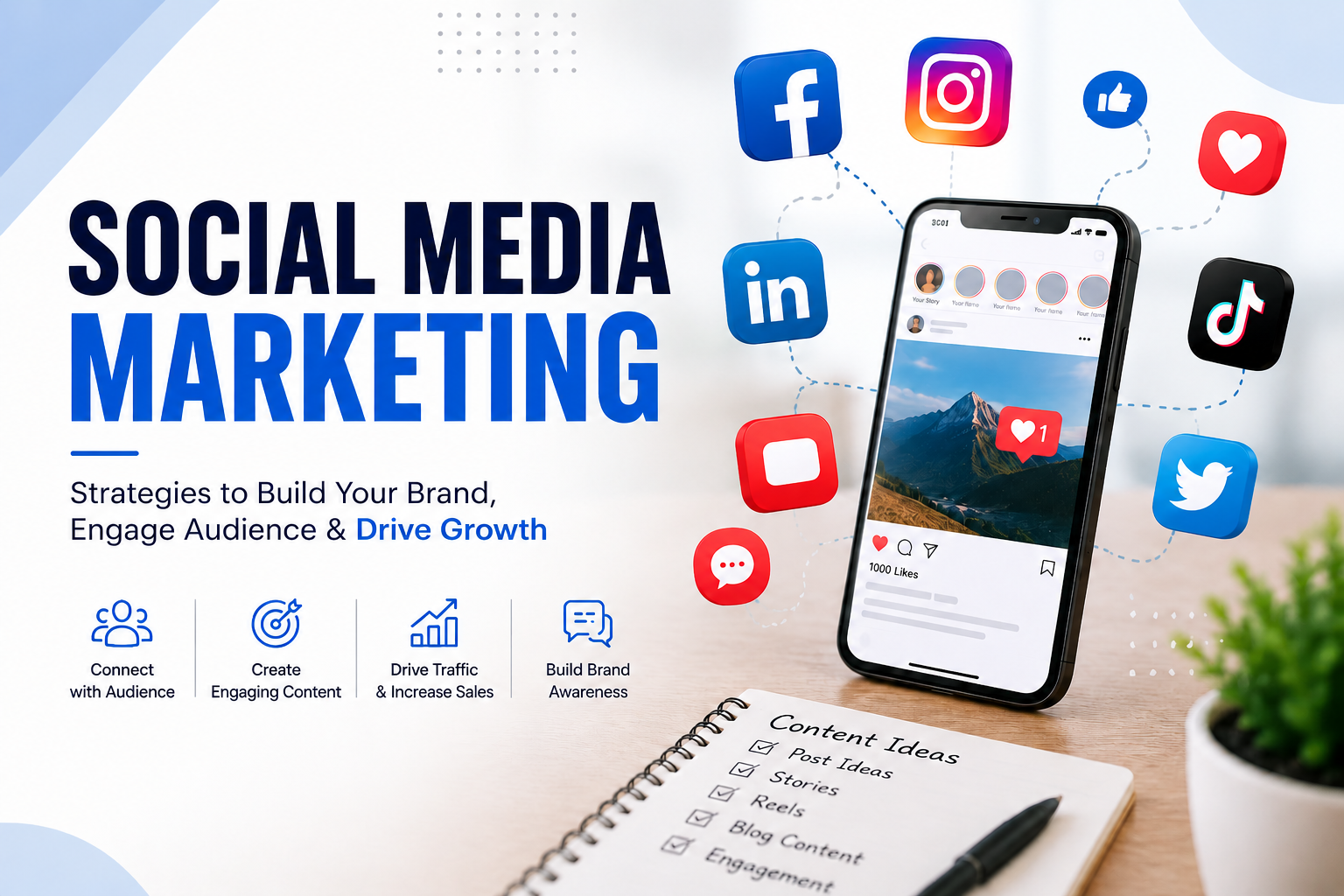
Social Media: Connecting People and Shaping the Modern World
Social media has become an important part of our everyday life. Platforms such as Instagram, Facebook, YouTube, WhatsApp, LinkedIn, and X have changed the way people communicate, learn, share information, promote businesses, and build relationships. What started as a simple way to connect with friends and family has now become a powerful tool for individuals, brands, creators, and organizations.
Today, social media is not only about posting photos or chatting with friends. It has become a major part of digital marketing, business growth, education, entertainment, and personal branding. With the right strategy, social media can help people reach a global audience and create meaningful opportunities
Types of Social Media Platforms and How They Work
Social Networking Sites (e.g., Facebook, LinkedIn)
Connect people through profiles, friend requests, and professional networks. Focus on text posts, life updates, personal connections, and business networking.
Photo & Visual Sharing Platforms (e.g., Instagram, Pinterest)
Centered around visual content. Users engage through high-quality photos, short-form reels, infographics, and curated visual boards.
Video Sharing Platforms (e.g., YouTube, TikTok)
Focus on video hosting and stream delivery. They use recommendation algorithms based on watch time and user interests to deliver long-form videos, tutorials, and short viral clips.
Microblogging & Discussion Forums (e.g., X / Twitter, Reddit)
Driven by real-time updates and text-based discussions. Ideal for news, trending topics, public commentary, and niche community forums (subreddits).
Messaging & Communication Apps (e.g., WhatsApp, Telegram)
Facilitate direct 1-on-1 and private group communication via text, voice, media sharing, and video calls rather than public feed distribution.
Live Streaming Platforms (e.g., Twitch, YouTube Live)
Allow creators and gamers to broadcast unedited real-time video, interacting with viewers via live chat and interactive prompts.
How Social Media Works: Features, Algorithms and User Engagement
Essential Platform Features
Profiles & Dynamic Feeds: Profiles store user data, while personalized feeds continuously update to display relevant media, photos, and status updates.
How Algorithms Power Content Delivery
Personalized Feeds: Algorithms analyze user activity (watch time, clicks, searches) to predict and serve content tailored to individual interests.
Driving User Engagement
Interactive Mechanics: Core features like Likes, Shares, Comments, and Saves encourage ongoing user participation and community building.
Retention Drivers: Push notifications, tags, and direct mentions keep users active and returning to the platform regularly.
Social Media Content Strategy: How to Create Content That Gets Engagement
Target Audience: Identify who you are creating content for and craft posts that address their specific interests and pain points.
Content Pillars: Establish 3–4 main topics (e.g., educational, entertaining, inspirational) to maintain structure and focus across your posts.
Focus on Visual & High-Value Formats
Strong Hooks: Grab attention in the first 3 seconds with compelling titles, bold captions, or visual stopping points.
Interactive Media: Utilize high-performing formats like Reels, Carousels, and Infographics that encourage saves and shares.
Drive Action & Build Community
Clear Call-to-Action (CTA): End posts with specific prompts like "Save for later," "Tag a friend," or "Drop a comment."
Active Interaction & Consistency: Post on a consistent schedule and respond promptly to comments to build strong engagement signals.
Social Media Engagement: How to Build an Active Online Community
Foster Two-Way Communication
Ask Questions & Run Polls: Interactive polls, quizzes, and open-ended questions encourage audience participation instead of passive scrolling.
Respond Promptly to Feedback: Replying quickly to comments and direct messages builds trust and signals that you value your followers' input.
Leverage User-Generated Content & Recognition
Feature User Content (UGC): Showcase posts, reviews, or creations made by your audience on your main feed or stories.
Acknowledge Top Contributors: Give shoutouts and highlight active community members to make them feel appreciated and build brand loyalty.
Create Dedicated Community Spaces
Host Live Interactive Sessions: Run regular Live Q&As, webinars, or AMA (Ask Me Anything) sessions to connect with your audience in real time.
Build Exclusive Groups: Establish private Facebook Groups, Discord servers, or Telegram channels for high-intent followers to connect with each other.
Benefits and Importance of Social Media for Businesses
Boosts Brand Awareness & Reach
Global Visibility: Allows businesses of any size to reach a massive global audience quickly and build brand recognition.
Precise Audience Targeting: Enables businesses to focus marketing efforts specifically on demographics that match their buyer persona.
Enhances Customer Relationships & Loyalty
Direct Communication: Provides a direct channel to engage with customers via comments and messages, building long-term trust.
Instant Market Feedback: Helps brands gather immediate insights and customer feedback to improve products and services.
Drives Traffic, Leads, and Sales
Cost-Effective Marketing: Delivers a higher return on investment (ROI) compared to traditional advertising methods like print or TV.
Increases Conversions: Drives quality traffic to websites and landing pages through targeted ads and strategic Call-to-Actions (CTAs).